

India’s Digital Rise and Cyber Threats: Why Choosing a Cyber Security Course After 12th Matters More Than Ever
In 2025, CERT-In handled over 29.44 lakh cyber incidents in India, and this signals that right now, India cannot treat cybersecurity as optional. The Government’s response to Cyber Secure Bharat states that online misconduct is now beyond digital fraud, and it now includes illegal payment gateways. Considering this grave situation, India is now treating cybersecurity as an utmost priority, and to navigate through the technical complexities of cybersecurity frameworks, the need for expert professionals is also in a surge. In this aspect, a cybersecurity course after 12th is emerging as a prominent choice among students, especially among JEE aspirants.
B.Tech. in Cyber Security colleges in India, like Ramrao Adik Institute of Technology (RAIT), DY Patil University, are focusing on industry training and hands-on clinical exposure to meet the contemporary demands of expert professionals.
How a Cybersecurity Course After 12th is a Boon for India’s Digital Rise
As per NASSCOM, India can face a shortfall of 1 million cybersecurity professionals by 2030, and to bridge this gap in cybersecurity professionals, a Cybersecurity Course After 12th is a boon for India’s digital rise. However, more than short-term courses, it is better to opt for a B.Tech. in Cyber Security colleges in India for a more profound knowledge of the complexities and technicalities of the cybersecurity framework.
Currently, India is focused on building a framework for a national cybersecurity mission, which ensures that India’s digital rise remains secure, and this calls for technical competency.
Cybersecurity after 12th: A Future-oriented Perspective
Most students, right after 12th, think in a very predictable loop. For example, Engineering? Medicine? Commerce? Maybe something creative? But depending on the market trends, one of the major questions that a student needs to ask is where exactly the career opportunities are headed. Digital threats and the constant need for proficient professionals are making cybersecurity courses after 12th a feasible career choice for tech-savvy students or JEE aspirants.
Why A Cybersecurity Course Is Becoming A Mainstream Choice Among Aspirants
Cybersecurity is becoming much more than just ethical hacking and coding. It’s about:
- Protecting financial systems
- Securing national infrastructure
- Preventing data breaches that can affect millions
- Building trust in digital platforms
Most importantly, cybersecurity ensures that India’s digital growth doesn’t collapse under its own weight. In addition to that, the career path is associated with exceptionally high salaries, and the career is also recession-proof.
Types Of Cyber Threats That Need to Be Addressed Immediately
What makes this shift slightly unsettling is how close cyber risks have come to everyday life. Some of the core threats that demand critical attention include:
- Fake payment gateways
- Identity theft
- AI-powered fraud patterns
- Network-level attacks on institutions
These kinds of threats demand practical knowledge on frameworks like the NIST Cybersecurity Framework, CIS Critical Security Controls, OWASP Top 10, etc. Advanced cyber threats like fake payment gateways and AI-powered fraud demand a hands-on approach to the practical application of these frameworks.
How a B.Tech In Cybersecurity From Ramrao Adik Institute of Technology (RAIT), DY Patil University, Fits Into This
If you’re considering a cybersecurity course after 12th, the starting point matters more than you think. Because cybersecurity isn’t something you can learn purely from theory.
It needs:
- Hands-on exposure
- Industry-aligned curriculum
- Real-world problem solving
That’s where Ramrao Adik Institute of Technology (RAIT), DY Patil University begins to stand out. A few things that genuinely matter here:
Industry-Designed Learning (Not Just Academic Theory): The curriculum isn’t frozen in textbooks. It evolves with industry needs, aligned with companies like TCS and real-world cyber frameworks.
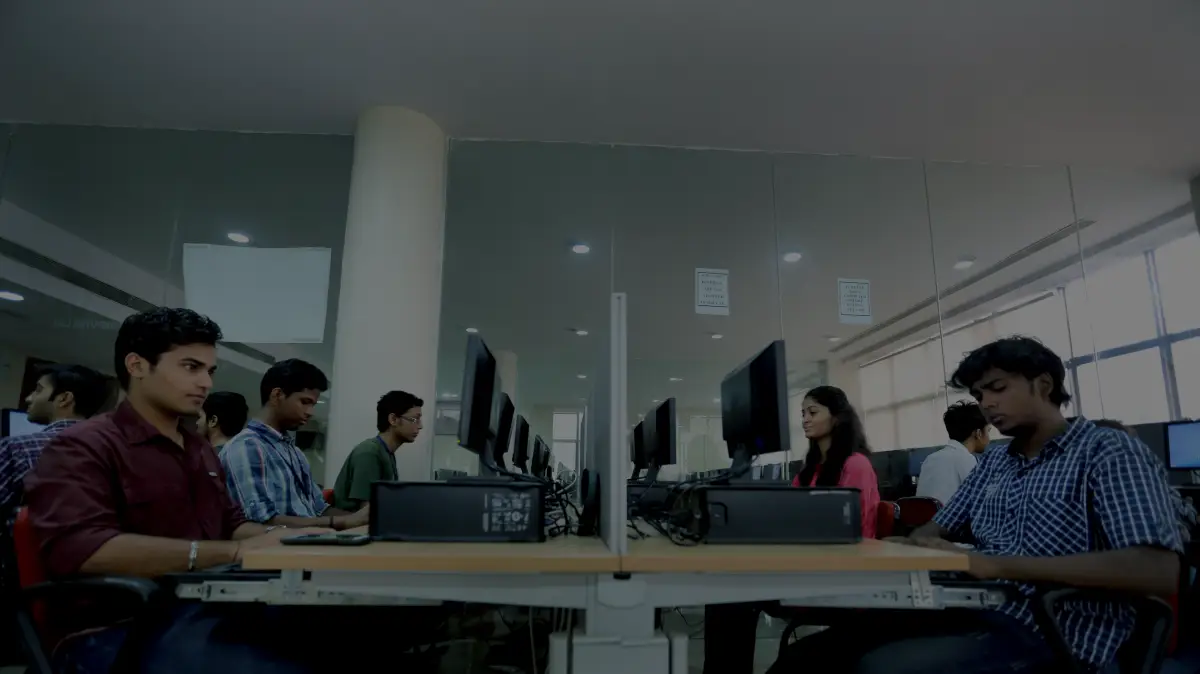
Industry-Grade Laboratories: Not simulated environments for the sake of it, but labs where students actually work on scenarios that resemble real cyber threats.
Strong Placement Ecosystem: The institute has consistently maintained strong placement outcomes, with students moving into roles where skills, not just degrees, matter.
Legacy That Brings Stability: Over 43 years of academic foundation and a network of 30,000+ alumni. That kind of ecosystem quietly opens doors.
Exposure Beyond Classrooms: Ramrao Adik Institute of Technology (RAIT), DY Patil University gives students access to large-scale events, industry interactions, and interdisciplinary exposure.
Career Scope: Wider Than Most Students Realise
Cybersecurity today branches into:
- Ethical hacking
- Digital forensics
- Cyber risk analysis
- Network security engineering
- AI-driven threat detection
- Cyber law & compliance
And the demand for competent professionals is not going down anymore.
Final Reflection
India is building something massive in the digital space. The framework that India is trying to build is fast, ambitious and scalable. However, a scale without security can make the framework fragile, which demands the attention of competent professionals. A cybersecurity course after 12th prepares professionals who are trained to protect, anticipate, and build secure systems. Institutes like Ramrao Adik Institute of Technology (RAIT), DY Patil University focus on the practical application of the frameworks from day one in order to bridge the gap between industry demands and skilled professionals.
Ramrao Adik Institute of Technology (RAIT), DY Patil University’s main advantages include accessibility, experienced faculty and international collaborations, which ensure practical as well as global exposure. Additionally, placement support, internships and industry projects prepare the students for an industry-ready career. If you’re tech-savvy and want to make a difference in India’s digital security system, a B.Tech in cybersecurity from Ramrao Adik Institute of Technology (RAIT), DY Patil University is your calling.
Published on April 24, 2026
Contact us
