


Understanding October Heat from the Ayurvedic Perspective

October can be extremely hot and humid throughout many regions of India.Even though the monsoon season is over in many regions of India, this does not mean that the temperature drops immediately. This weather can lead to a wide range of illnesses, such as dehydration, tiredness, and heat illness.
Ayurveda mainly focuses on the internal and natural methods to help treat people. Hot weather in the autumn season generally means that our body is exposed to one of the doshas of Ayurveda. There is an imbalance of Pitta dosha in our body due to the hot weather.
Published on October 12, 2026
Ayurvedic Techniques Traditionally Used to Cool the Body
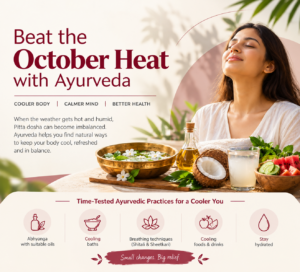
Ayurveda has a vast range of traditional practices which can help to keep the body cool and relaxed in hot weather. Some commonly used techniques include:
1. Abhyanga with Suitable Oils
Abhyanga or Ayurvedic massage is a traditional practice involving oiling of the body. An Ayurvedic practitioner suggests suitable oils and methods of application for the patients based on their body type, the hot weather conditions and overall health needs. A gentle massage followed by a comfortable bath can help relax and relieve physical stress, leaving you refreshed.


2. Cooling Baths
A comfortable bath can help keep the body refreshed after being in the hot sun. Ayurveda traditionally advocates taking baths as a part of the daily routine, with the temperature of the water varying depending on the weather and comfort. A comfortably warm or cool bath is likely to be better than an extremely cold one, especially in the hot weather.
3. Shirodhara under Professional Guidance
Shirodhara is a therapy, which is mostly used in Ayurvedic practice. It indicates the pouring of liquid over the forehead and its massage. It would traditionally be recommended to consult with an Ayurvedic practitioner about using this therapy as it can only be seen as an integrated part of the treatment. Thus, it is not advisable to use Shirodhara for the management of heat exhaustion or heatstroke.
4. Sheetali and Sheetkari Pranayama
Sheetali and Sheetkari pranayamas are breathing techniques, which are recommended in Ayurveda and yoga. They are considered to be effective in case of excessive internal heat since they help decrease the temperature. However, they should only be taken under the supervision of an experienced practitioner.
5. Sitting in Cool and Shaded Areas
According to the Ayurvedic practices for managing hot weather, it is advisable to protect oneself from the sun as much as possible. Thus, when it is too hot outside, taking a break in the cool place is advised.
6. Using Traditionally Cooling Foods
Ayurveda traditionally considers certain foods and drinks to be cooling or one of Pitta-pacifying. This includes (depending on individual requirements):
- Cucumber
- Water-rich fruits
- Coconut water
- Buttermilk
- Fruits that are in season
- Leafy vegetables
- Light meals, freshly prepared
These are often useful to balance fluid loss and support nutrition. However, individual requirements should be considered, particularly in terms of health, digestion, and nutrition.
7. Coconut Oil for External Use
Coconut oil is traditionally considered to have a cooling effect by Ayurveda and is sometimes used on the body during warm weather.
It may be used to gently mass the skin and/or scalp, if suitable for the individual. Those with sensitive skin or a history of allergic reactions should do a patch test before use and stop if irritation occurs.
8. Staying Hydrated During October Heat
One of the most crucial measures for fighting hot weather is staying well-hydrated. Drinking lots of fluids throughout the day is essential in countering the effects of sweating.
Ayurvedic wellness practices may involve consuming fluids like water, coconut water or buttermilk depending on personal needs. Those with kidney, heart or other illnesses restricting one’s fluid intakes should consult their doctor about the appropriate measures.
9. Choose Ayurvedic Cooling Foods
In accordance with Ayurvedic tradition, eating foods that are considered cooling is essential in hot weather. Fresh fruits, vegetables, cucumber, leafy greens and light meals can be included in one’s diet.
10. Adjust Your Routines
Making minor adjustments to your routines can be essential in hot weather:
- Avoid walking outside in the sun
- Exercise in cool places
- Wear light clothes
- Take regular breaks in the shade or air-conditioned places
- Stay well-hydrated
- Eat light, freshly prepared meals
- Get enough rest
- Sit or lie in the shade when possible.
Published on October 12, 2026
Ayurveda and Modern Wellness: A Balanced Approach
When it comes to hot weather, Ayurveda suggests following certain routines, eating the right foods and exercising regularly in order to keep the body strong and resistant to environmental stressors.
At the same time, modern medicine is necessary for assessing and treating heat-related conditions. The best course of action is to combine traditional practices with the latest scientific research in order to prevent and combat heat-related illnesses.
Conclusion
The scorching heat of October may still pose a challenge to many individuals. Ayurveda suggests a method of combating the effects of such weather through the means of ancient practice. The use of modern medicine is also necessary to cope up with the heat.
Published on October 12, 2026
Contact us
