


Spine Health: How Physiotherapy Helps
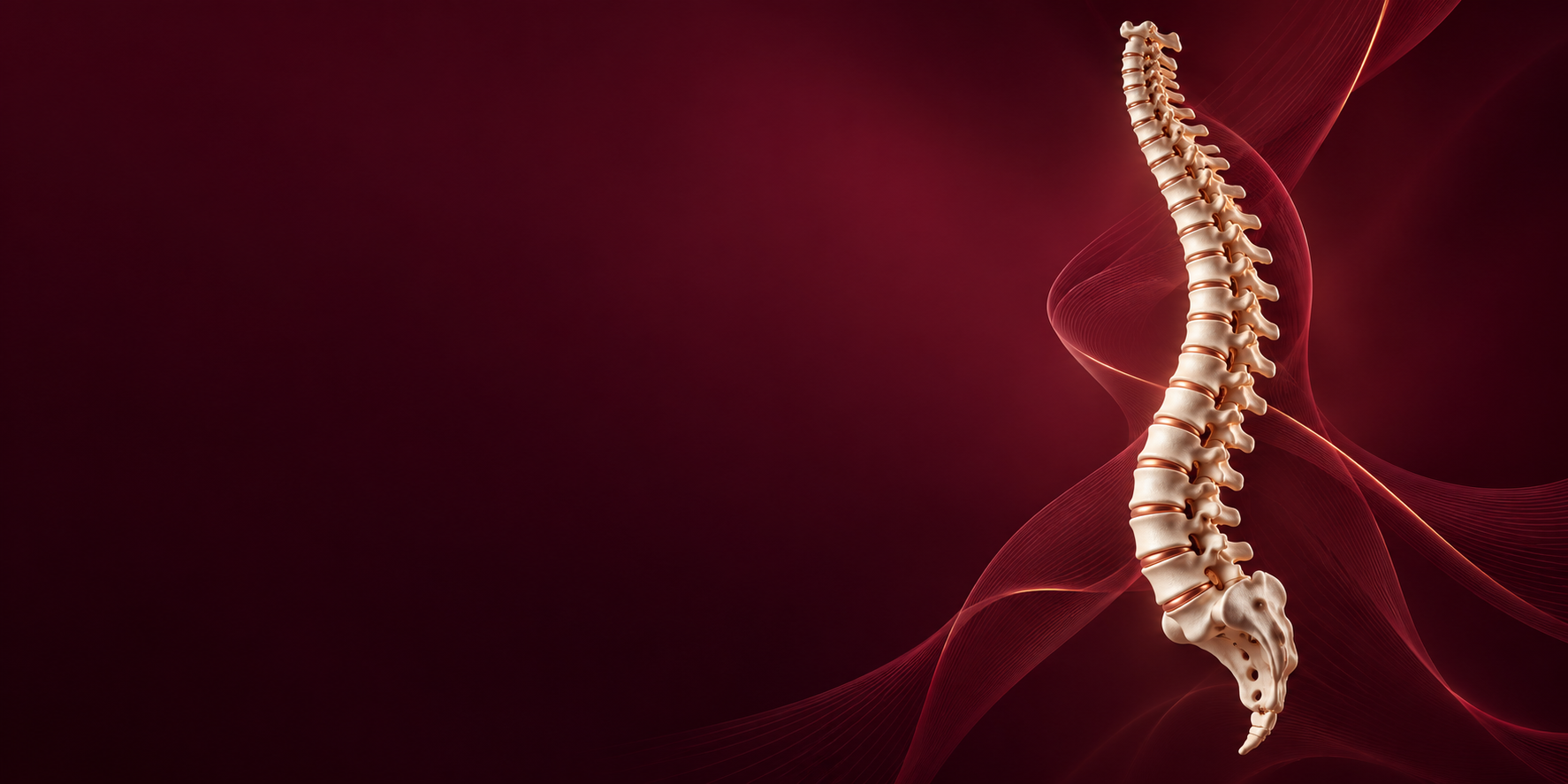
The spine is an important part of our body. The spine helps in maintaining good posture, balance, flexibility and overall function of the body. One of its primary purposes is to move and protect the spinal cord and the upper body.
However, back, neck pain, and other conditions may hinder one’s ability to perform even the simplest of tasks. Some of the factors that affect the spine health are, sitting for long periods of time, physical activity and strain, spine injuries and other diseases can all be the reason why someone experiences discomfort while sitting or moving.
Physiotherapy for the spine deals with understanding movements, rehabilitation and pain relief that can help people who are affected with spine problems to get back to their daily lives.
Published on October 23, 2026
Anatomy of the Spine
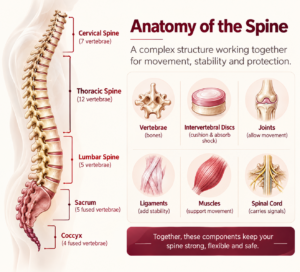
The vertebral column, or the spine, includes vertebrae, discs, joints, ligaments and a set of muscles. All of these elements work together for movement and flexibility of the body while protecting the spinal cord.
The discs in the spine help to reduce the impact on the vertebrae and help with movement.
The muscles and ligaments help to hold the spine together and allow for movement, while the vertebral canal protects the spinal cord.
It is important to understand the spine as it is a complex structure.

Spinal Problems and Symptoms
Back/Neck Pain
Back and neck pain can occur due to a variety of reasons, such as muscle and joint issues, spine injury or having a degenerative disease. It is common for sufferers to experience lower back pain, which, in most cases, has an unknown cause.
Herniated Disc
A herniated disc occurs when the disc presses on a nearby nerve, causing pain that may spread to the arm or leg. It can also cause tingling, numbness, or weakness.
Spinal Stenosis
Spinal stenosis is a condition in which the spinal column narrows, causing pain, tingling or numbness in the legs or other parts of the body depending on the location.
Postural And Movement Problems
Some people may find it difficult to sit for long periods of time or engage in any physical activity. A physiotherapist can assess such difficulties and examine the causes and circumstances under which they occur.
Published on October 23, 2026
Physiotherapy For Spinal Conditions And How It Can Help
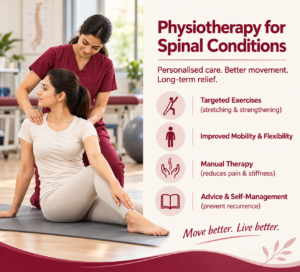
Physiotherapy for the spine focuses on restoring movement and function while teaching the patient how to manage their condition.
1. Exercise As A Treatment
A physiotherapist can prescribe a number of therapeutic exercises designed to help the patient improve their physical function and reduce symptoms. However, an individual physiotherapy program should not follow a generic template. It should be designed depending on the needs and circumstances of the patient.
2. Core/Stabilization Exercises For The Spine
The muscles in the core play an essential role in stabilization and flexibility of the spine. Therapeutic core exercises have been shown to be effective in helping the sufferer resume their daily activities. It is essential to choose core exercises depending on the individual’s condition and current abilities.
3. Mobility And Flexibility Exercises For The Spine
Appropriate range of motion exercises can help reduce stiffness while allowing the sufferer to retain flexibility and perform everyday tasks. It is important to modify the exercise regime depending on the severity of the symptoms, as well as the underlying diagnosis, if present.
4. Manual Therapy
Manual therapy can be used by a physiotherapist as a part of a larger rehabilitation program. It may be beneficial for the sufferer to receive manual therapy treatment in order to reduce stiffness and pain. However, it is not suitable for everyone, and it should not be used as a substitute for other evidence-based treatment when indicated.
5. Advice, Education And Self-Management Techniques
Physiotherapists can advise the sufferer on how to best prevent recurring episodes, as well as safely resume physical activity. They can teach the patient how to pace themselves in order to gain confidence and reduce some of the symptoms of their condition.
Physiotherapy, Posture, Ergonomics And The Workplace
Overall, good posture is important for reducing unnecessary stress on the spine. To reduce back pain from sitting for a longer period of time, it is important to make sure that the working surface and the chair are comfortable. It is also important to adjust the screen height accordingly. Taking regular breaks can also help improve posture and reduce back, neck and shoulder pain.
It is important to note that there is no ideal posture that can prevent back pain altogether. Taking frequent breaks, varying tasks and adjusting the workplace for comfort are often more effective than maintaining a rigid posture at all times.
Some helpful tips include:
- Taking regular breaks from prolonged sitting.
- Being physically active within one’s capabilities and gradually increasing the level of physical activity.
- Using proper lifting techniques while handling heavy objects.
- Following recovery advice from a physiotherapist or another medical professional.
- Seeking professional help if symptoms persist.
In cases where the pain is severe or the recommended physiotherapy exercises are too painful to perform, it is important to seek professional help. Not all physical conditions can be treated with the same set of therapeutic exercises. In addition, it is not advisable to follow a general physiotherapy program without professional guidance.
When To See A Doctor?
Seeking professional advice and physiotherapy assessment is recommended in the following cases:
When back, spine or neck pain persists or recurs frequently.
When the pain interferes with daily activities and reduces one’s quality of life.
When the pain is transferred down to the legs or arms and affects one’s ability to move.
A physiotherapist can understand and help in the movement and function of the spine, but any other concerning symptoms should be evaluated by a professional.
Conclusion
Physiotherapy plays an important role in managing most spinal conditions. Proper treatment and rehabilitation can crucially reduce the impact of the condition on the sufferer’s quality of life.
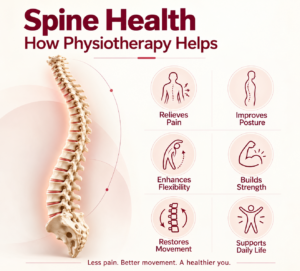
Physiotherapists can recommend exercises and can help strengthen the muscles, increase mobility and flexibility, and reduce the effects of pain. In order for these benefits to be achieved, it is essential to consult professional help when experiencing symptoms and to follow the individual customized treatment plan prescribed by a physiotherapist.
Published on October 23, 2026
Contact us
