

Fellowship in Aesthetics And Cosmetic Medicine- Non Surgical
DYPU has an educational approach that seeks to create a learning experience that will prepare students for the realities of the modern world


About the
Chief Mentor
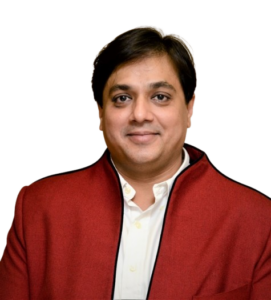
Dr. Viral Ramesh Desai, M.S., M.Ch, D.N.B.
Plastic & Cosmetic Surgeon
Dr. Viral Ramesh Desai is a renowned Plastic, Cosmetic, and Hair Transplant Surgeon with over 20 years of experience in aesthetic and reconstructive surgery. He is the Founder & Chief Promoter of CPLSS, Medical Director of Sarla Hospital & ICU, Mumbai, and Founder of ASCENT Academy. He serves as India President of ISWAM, Treasurer of IAAPS, and Scientific Board Member of IMCAS Global & Asia. An internationally recognized trainer and Key Opinion Leader, Dr. Desai has authored six textbook chapters, published 18 scientific papers, delivered over 400 national and international presentations, and trained more than 600 doctors. His expertise includes aesthetic plastic surgery, facial aesthetics, hair transplantation, botulinum toxin, dermal fillers, body contouring, and laser-based procedures

About the
Program
Awarded by:
D Y PATIL UNIVERSITY (accredited by NAAC with ‘A’ GRADE)
Duration:
6 Months
Learning Objectives
At the end of the course, participants will be able to:
- Understand the science of tissue repair and regeneration.
- Explain stem cell biology and regenerative pathways.
- Perform and interpret PRP preparation protocols.
- Understand exosome and cell-free regenerative therapies.
- Apply regenerative medicine principles in dermatology, wound care, and aesthetics.
- Evaluate scientific evidence and regulatory frameworks.
- Establish regenerative medicine services in clinical practice.
Program
Highlights
- 6- or 12-months structured fellowship
- 7 modules (6 non-surgical + 1 surgical Hair Transplant)
- Modular, à la carte hands-on training
- Multi-location execution for surgical depth
- Strong alignment with ASCENTs proven fellowship model
Program
Eligibiity and Selection
MCH/DNB in Plastic Surgery
MD/DNB Dermatology or Diploma in Dermatology with 2 years’ experience
Program
Syllabus
Module 1: Facial Injectables – Neuromodulators (Toxins) &; Skin Boosters
This module introduces plastic surgeons and Dermatologists to the principles and clinical application of neuromodulators and injectable skin rejuvenation therapies from a dermatology-centric
perspective.
The curriculum covers:
- Facial anatomy relevant to neuromodulators
- Dynamic facial assessment and muscle balance
- Different Types of toxins available and whats new globally with advantages and
- disadvantages of each.
- Indications and treatment planning for botulinum toxin
- Contra- Indications, absolute and relative
- Basic and advanced facial indications-Upper face, lower face, neck
- Medical Indications- Migraine, hyperhidrosis, facial palsy, etc applications
- Mesobotox, microbotox, Baby Botox techniques
- Body Indications- Traptox, Calf, Hypertrophic scar, Keloids, etc.
- Dilution strategies, dosing principles and injection depth
- Prevention, recognition and early management of complications
- Integration of neuromodulators into aesthetic and reconstructive practice
- What exactly are skin boosters and different types available.
- Which skin booster to use and when.
- Different Composition of skin boosters
- Indications and contra- indications
- Different ways and techniques of how to use skin boosters
- Complications- prevention and management
Module 2: Facial Injectables – Dermal Fillers &; Advanced Facial Planning
This module focuses on volumetric restoration, contouring, and facial balancing using dermal fillers, with strong emphasis on safety and planning.
The curriculum covers:
- Facial anatomy, vascular danger zones and risk mitigation in relation to Injectable Practice
- Rheology, Properties and selection of dermal fillers
- Facial assessment for volume loss and structural imbalance
- Mid-face, lower-face and perioral rejuvenation- Cheeks, nasolabial folds, marionette lines, jawline and chin
- Upper face- Temple and forehead techniques
- Lip enhancement principles
- Peri-orbital use
- Hands and décolletage rejuvenation
- Body fillers- types and Indications
- Bio modulation and Bio- Stimulation
- PLLA (Sculptra like) – Indications, Techniques, Uses and complications
- CAHA- Calcium Hydroxyapatite- Uses, Techniques and dangers
- Cannula versus needle techniques
- Multi-Layering, sequencing and combination strategies
- Management of filler-related complications including vascular events
- Combining Fillers with other modalities
- Newer Developments in Fillers and Bio- fillers
Module 3: Lasers & Energy-Based Devices, Medi facials, IV Drips and Chemical Peels
This module provides a comprehensive foundation in laser and device-based dermatologic procedures, enabling surgeons to understand device selection, treatment planning and safety.
The curriculum covers:
- Laser physics and tissue interaction
- Patient selection and contraindications
- Hair reduction technologies
- Pigmentary and vascular lasers
- Fractional ablative and non-ablative resurfacing
- Q-switched and picosecond laser applications
- Radiofrequency and RF microneedling (MNRF)
- High-intensity focused ultrasound (HIFU)
- 1470 Diode- Ablative and non-ablative
- Erbium glass and CO2 lasers
- Intense Pulsed Light therapy
- Discussion of various devices
- How to start a laser practice- which lasers to buy and when
- Financing your lasers and ROI
- Treatment endpoints and parameter selection
- Prevention and management of adverse events such as burns and pigmentation
- Chemical peels- Types of peels and indications
- Different methods of peels
- Complications and management
- Combining with other treatments
- Medi-Facials- Molecules and integration into aesthetic practice
- IV drips- Everything you need to know.
Module 4: Regenerative Medicine &; Anti-Aging Therapies
This module introduces plastic surgeons to advanced regenerative and anti-aging therapies, focusing on biologic treatments and cellular-level rejuvenation.
The curriculum covers:
- Principles of regenerative medicine in aesthetics
- Role of biologics in skin and hair rejuvenation
- Everything about Exosomes – mechanism, indications, regulations and clinical use
- Platelet-rich plasma (PRP) and growth factor concentrates (GFC)- all myths cleared
- Poly-Nucleotides and Polydeoxyribonucleotide (PDRN)- The new Regenerative frontiers
- Stem cell-based regenerative approaches
- Mesotherapy- Principles, substances, composition, molecules, Devices and regenerative protocols
- Growth factors- sources and uses
- Peptides, bio-mimetic Peptides- sources, uses, future, hype
- NAD and Related molecules like NMN etc, safety and indications
- Patient selection and treatment planning
- Evidence-based application and limitations
- Safety considerations and complication management
- Integration of regenerative therapies into aesthetic practice
- Longevity and Age- reversal.
Module 5: Thread Lift – Facial Lifting &; Vector Planning
This module focuses on minimally invasive facial lifting using threads, with emphasis on anatomy, planning and safe execution.
The curriculum covers:
- Fundamentals of thread lifting
- Facial anatomy relevant to thread placement
- Types of threads and their classification
- Patient selection and expectation management
- Facial vector planning and marking principles
- Entry points and placement strategies
- Combination approaches with fillers and neuromodulators
- Prevention and management of thread-related complications
- Body threads, Nose Threads, eyebrow lift
- Jawline and Neck contouring
- Different types of threads with Indications of where to use
- Role of thread lift in comprehensive facial rejuvenation
- Newer threads, Bio-modulatory threads and future developments
Module 6: Trichology & Hair Transplantation
This module integrates medical trichology with surgical hair restoration, enabling plastic surgeons to deliver comprehensive hair restoration solutions.
The curriculum covers:
- Hair loss evaluation and classification
- Trichoscopy and diagnostic work-up
- Medical management of alopecia, older and newer oral and topical molecules.
- Mesotherapy in trichology- molecules, devices and protocols
- Role of botulinum toxin and Threads for treating hairloss
- Low-level laser therapy (LLLT)- devices and dosage
- Regenerative and Injectable Trichology- Exosomes, PDRN, Peptides, Biomimetic peptides, etc
- DHT blockers- Oral, Topical and Injectable
- Hair Fillers- newer frontier
- Patient selection for medical vs surgical intervention
- Overview of FUE and FUT techniques
- Donor area assessment and planning
- Hairline design and aesthetic considerations
- Implantation Principles- and Implanters
- Post-transplant care and complication prevention
- Integration of medical and surgical hair restoration
- Female Hairfall and management with a note on Transplant
- Hairloss in early age- management
- Body hair transplant
- Beard, Moustache, eyebrow transplant
- Long Hair Transplant
Module 7: Non-Surgical Body Contouring with Fat Grafting
This module provides a comprehensive understanding o non-surgical body contouring, including lipolysis and fat grafting techniques.
The curriculum covers:
- Principles of aesthetic body contouring
- Patient selection and expectation management
- Fat distribution and body analysis
- Non-Surgical body contouring fundamentals (liposuction concepts)
- Tumescent techniques and planning
- Area-wise planning: abdomen, flanks, thighs, arms with emphasis on safety and dosage
- Fat harvesting, processing and grafting techniques
- Structural fat grafting concepts and SVF
- Combination approaches with devices and regenerative therapies
- Management of contour irregularities and asymmetry
- Post-operative care and optimization
- Integration of body contouring into aesthetic practice
- Non- surgical Body contouring- Technologies and Devices
- Cryotherapy
- Lipolysis- Injectable molecules and techniques
- EMS- when and where to use
- Fat loss Injections
Duration of Course
6 Months
Program
Examinations
Theory examination: 100 marks.
Practical examination: 100 marks
Examiners: two guides/teachers (one external examiner from the region)
International
Collaboration


List of Documents
- Birth Certificate as proof of Date of Birth
- Copy of Passport/Domicile as proof of Nationality and Address
- Four passport-size photographs
- Copies of Mark Sheets and Degree Certificates of MBBS and
- Diploma/MD/DNB/DVD
- Copy of the NMC/ State Registration and Additional Qualification Registration Certificate
- Copy of Passport of Parents*
- Proof of NRI Status of Candidate/Parents*
- Transcripts*
- Copy of Visa* (if required)
* (For Foreign Candidates Only)
Contact Us
for Course Related Queries
Dr. Bhavika Verma (Program co-ordinator)
https://dypatil.edu/programs/medical-fellowship-programs
Email ID: medial.fellowships@dypatil.edu
Phone: +91 8422947961 +91 8422947962
Admission
Disclaimer
DY Patil University conducts all admissions to its Fellowship Programmes exclusively through the official University admission process.
The University has not authorized any third-party agents, consultants, agencies, or intermediaries to offer admissions, collect application fees, process payments, or make admission commitments on its behalf.
Applicants are advised to communicate only through the University’s official website, official email addresses, official phone numbers, and authorized admission offices. D.Y. Patil University shall not be responsible for any claims, promises, financial transactions, or representations made by unauthorized third parties.
For authentic information regarding Fellowship Programmes, eligibility, admissions, and fees, please contact the University directly through its official communication channels.
Contact us
