

Fellowship In Interventional Cardiology
DYPU has an educational approach that seeks to create a learning experience that will prepare students for the realities of the modern world


About the
Chief Mentor
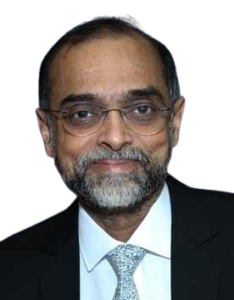
Dr. Ajit R. Menon
Dr. Ajit R. Menon is one of India’s most accomplished and respected interventional cardiologists, with over three decades of experience in the diagnosis and management of complex cardiovascular diseases. He serves as the Director of Cardiology at Sir H. N. Reliance Foundation Hospital, Mumbai, where he has played a pivotal role in advancing interventional and structural heart disease therapies and establishing high standards of cardiac care.
An outstanding academic achiever, Dr. Menon secured First Rank in the D.M. (Cardiology) Examination conducted by the University of Bombay and subsequently underwent advanced fellowship training at the prestigious Royal Adelaide Hospital, South Australia. He is a Fellow of the American College of Cardiology (FACC) and a Fellow of the Society for Cardiovascular Angiography and Interventions (FSCAI), reflecting his international recognition and professional excellence.
Throughout his distinguished career, Dr. Menon has performed thousands of coronary and structural heart interventions, including complex coronary angioplasty, left main coronary interventions, IVUS- and OCT-guided procedures, and other advanced catheter-based therapies. He has also made significant contributions to cardiovascular research, international clinical trials, scientific publications, and medical education. Widely respected as a mentor and educator, he has helped train and inspire numerous cardiologists while championing the adoption of cutting-edge technologies and evidence-based treatment strategies. Through his commitment to innovation, academic excellence, and patient-centered care, Dr. Menon continues to be a leading force in the advancement of cardiovascular medicine in India.

Faculty
Coordinator
Dr. Harshad Rajge
Overview of the
Program
Certification:
Fellowship in Interventional Cardiology
Awarded by:
DY PATIL UNIVERSITY (accredited by NAAC with ‘A’ GRADE)
Program Highlights:
- Rigorous and immersive training in both interventional and non-invasive cardiology
- Designed for cardiologists who have completed their core residency training
- Focus on developing expertise in complex coronary and structural heart interventions
- Comprehensive exposure to a wide range of cardiovascular conditions and procedures
- Emphasis on achieving clinical excellence and advanced procedural skills
- Training based on evidence-based clinical practice and patient care
- Encourages academic development, research, and scientific learning
- Mentorship under experienced and renowned cardiologists
- Development of leadership, critical thinking, and independent decision-making abilities
- Hands-on learning experience in advanced cardiovascular interventions
Eligibility Criteria
Post DNB/DM Cardiology
Duration of Course
1 Year
Course
Syllabus
ICU Exposure
●Management of critically ill cardiac patients
Ethics & Legal Knowledge
International
Collaboration


List of
Documents
- Birth Certificate as proof of date and birth
- Copy of Passport/Domicile as proof of Nationality and Address
- Four passport size photographs
- Copy of the MCI Registration Certificate
- Copy of Mark sheets and Degree Certificate of MBBS/MD/MS/ Others
- Copy of Passport of Parents*
- Proof of NRI Status of candidate/Parents*
- Transcripts*
- Copy of Visa*
(*if required for NRI candidates)
Contact Us
for Course Related Queries:
Dr. Bhavika Verma (Program co-ordinator)
https://dypatil.edu/programs/medical-fellowship-programs
Email ID: medial.fellowships@dypatil.edu
Phone: +91 8422947961 +91 8422947962
Admission
Disclaimer
DY Patil University conducts all admissions to its Fellowship Programmes exclusively through the official University admission process.
The University has not authorized any third-party agents, consultants, agencies, or intermediaries to offer admissions, collect application fees, process payments, or make admission commitments on its behalf.
Applicants are advised to communicate only through the University’s official website, official email addresses, official phone numbers, and authorized admission offices. D.Y. Patil University shall not be responsible for any claims, promises, financial transactions, or representations made by unauthorized third parties.
For authentic information regarding Fellowship Programmes, eligibility, admissions, and fees, please contact the University directly through its official communication channels.
Contact us
