

How 3D Animation Brings Ideas to Life
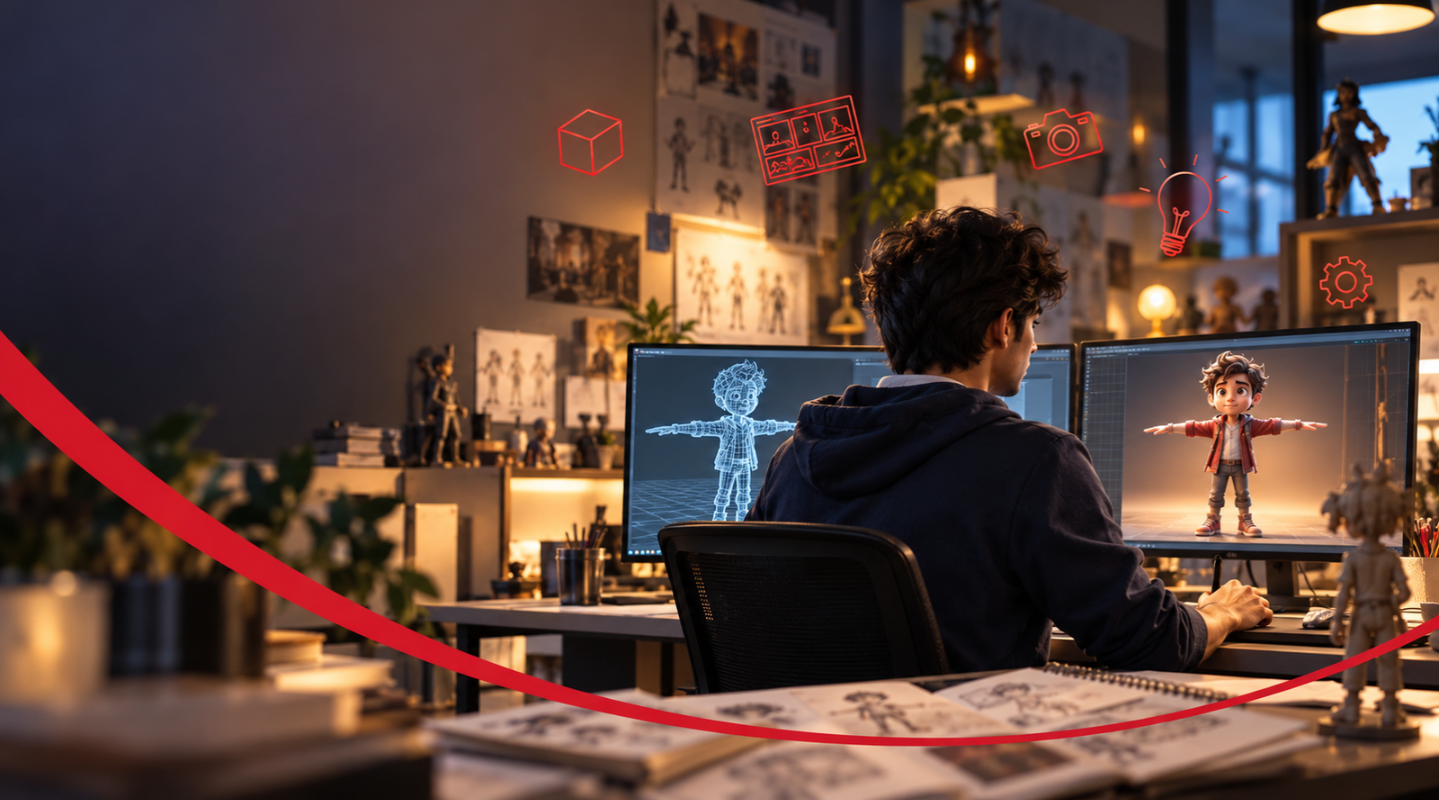
Have you ever wondered how animated characters feel so lifelike or how fantasy worlds in films and games look so realistic? Behind every animated film, game cinematic, or digital advertisement is a carefully planned creative process known as the 3D animation pipeline. It combines imagination, storytelling, and technology to transform ideas into engaging visual experiences.
For students considering a 3D animation course in Mumbai, understanding this process is the first step towards building a successful career in animation. At the School of Creative Studies, DY Patil Deemed to be University, Navi Mumbai, students learn every stage of this production pipeline through practical projects, industry-standard software, and collaborative learning.
What Is 3D Animation?
3D animation is the process of creating digital characters, objects, and environments that move naturally within a three-dimensional space. Unlike traditional animation, artists build digital models that can be viewed from every angle, making them ideal for films, games, advertisements, architectural visualisations, and immersive experiences.
Today, animation is used far beyond entertainment. Industries such as education, healthcare, automotive design, and digital marketing rely on 3D animation to explain ideas, showcase products, and create interactive content.
How Is 3D Animation Made?
One of the most common questions students ask is, “How is 3D animation made?” The answer lies in a structured production workflow where every stage builds upon the previous one.
1. Concept and Story Development
Every project begins with an idea. Artists create sketches, storyboards, and concept art to define the characters, environments, and overall visual style. This stage ensures everyone involved shares the same creative vision before production begins.
2. 3D Modelling
Once the concept is approved, artists create digital models of characters, props, and environments. This process, known as 3D modelling, forms the foundation of every animation project. Accuracy, proportion, and attention to detail are essential because these assets will be used throughout production.
3. Rigging and Character Setup
Before a character can move, it needs a digital skeleton. Rigging gives the model joints and controls that allow animators to create realistic movement and expressions. Good rigging ensures characters behave naturally during animation.
4. Animation
This is where ideas truly come to life. Animators create movement by carefully adjusting poses, timing, facial expressions, and body language. Whether it’s a simple walk cycle or an action sequence, animation focuses on making characters believable and engaging.
5. Lighting, Rendering and Final Output
The final stage adds lighting, textures, cameras, and realistic materials before producing high-quality rendered images. Rendering combines every element into the finished animation that audiences see on screen.
| Stage | What Happens | Key Deliverables |
|---|---|---|
| Concept and Story | Idea, sketches, storyboards, visual style | Storyboard, concept art |
| 3D Modelling | Characters, props, environments built in 3D | Digital assets |
| Rigging | Digital skeleton added for movement | Rigged characters |
| Animation | Movement, timing, expressions set | Animated scenes |
| Lighting and Rendering | Lighting, textures, cameras, rendering | Final rendered output |
What Will You Learn in a 3D Animation Course?
Students often ask, “What do you learn in a 3D animation course?”
A structured programme covers far more than software training. Students develop creative thinking alongside technical expertise through subjects such as:
- Storytelling and visual design
- 3D modelling
- Character animation
- Rigging fundamentals
- Lighting and rendering
- Production workflows
- Portfolio development
- Team-based creative projects
Learning each stage of the pipeline helps students understand how professional animation studios produce films, games, advertisements, and digital experiences.
Learning Through Projects at the School of Creative Studies
At the School of Creative Studies, students learn by creating. Throughout the BSc in Multimedia, Animation & VFX, they work on practical assignments, collaborative projects, and portfolio pieces that simulate real production environments.
Students gain experience using industry-standard tools such as Autodesk Maya, Blender, Houdini, Unreal Engine, and Adobe After Effects, while developing problem-solving, teamwork, and communication skills that employers value.
Project-based learning also helps students build a professional showreel — an important asset when applying for internships and animation jobs.
Bring Your Ideas to Life
Every animated film, game, and digital experience begins with a simple idea. Learning how to transform that idea into a finished visual is what makes animation such a rewarding creative field.
At the School of Creative Studies, DY Patil Deemed to be University, Navi Mumbai, the BSc in Multimedia, Animation & VFX gives students the opportunity to master the complete animation pipeline through practical learning, industry-relevant software, and creative projects.
Published on October 31, 2026
Contact us
