

Fellowship Course in Minimal Access Surgery by Dr. Mohil Patel
DYPU has an educational approach that seeks to create a learning experience that will prepare students for the realities of the modern world.
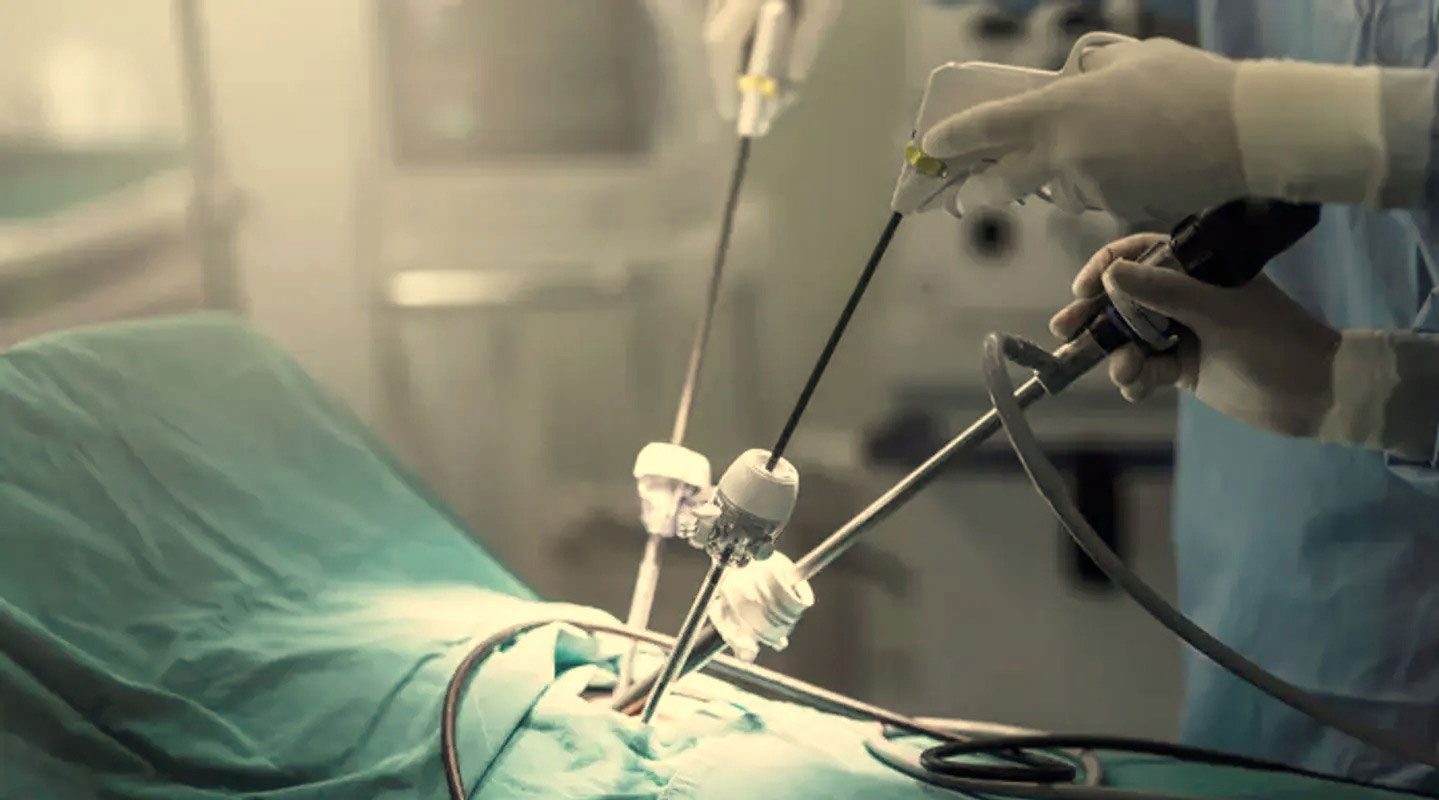

About the
Chief Mentor:
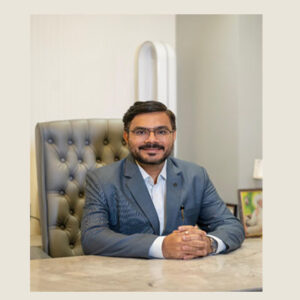
Dr. Mohil Patel
Advanced Laparoscopic & Endometriosis Surgeon
Ahmedabad, Gujarat, India
Dr. Mohil Patel is a renowned minimally invasive gynecological surgeon from Ahmedabad with special expertise in advanced laparoscopic gynecological surgeries, endometriosis management, fertility-enhancing procedures, and complex pelvic reconstructive surgeries.
He is actively involved in teaching and training in Minimal Access Surgery and currently runs his own laparoscopic fellowship training program. Dr. Mohil Patel is known for his precision-based surgical approach and innovative suturing concepts, including the DROPLESS-C Technique for laparoscopic vault closure.
He has been invited as faculty and live surgery performer at multiple national academic platforms and workshops. His work focuses on combining advanced technology with safe, patient-centered surgical care.
Dr. Mohil Patel is a Council Member of the Managing Committee of Indian Association of Gynaecological Endoscopists (IAGE) and also serves as a Committee Member of the Endoscopy Committee of Federation of Obstetric and Gynaecological Societies of India (FOGSI).
Apart from clinical practice, he is widely followed for his surgical teaching content on digital platforms, where he shares educational laparoscopic videos and operative insights for gynecologists across India.
Areas of Expertise
- Advanced Laparoscopic Gynaecological Surgery
- Endometriosis Surgery
- Total Laparoscopic Hysterectomy (TLH)
- Fertility Enhancing Endoscopic Procedures
- Pelvic Reconstruction & Adhesiolysis
- Hysteroscopy
Professional Highlights
- Advanced Gynec Endoscopic Surgeon
- Fellowship Trainer in Minimal Access Surgery
- Developer of “DROPLESS-C” Vault Suturing Technique
- Council Member – Managing Committee, IAGE
- Committee Member – FOGSI Endoscopy Committee
- National Faculty & Surgical Educator
- Active Surgical Educator on Instagram & YouTube
- Instagram: @patelmohil4
YouTube: Dr Mohil Patel

About the
Program
Certificate:
Fellowship in Minimal Access Surgery- Foundation (6 Months)
Fellowship in Minimal Access Surgery- Advanced (1 Year)
Awarded by: DY Patil University (accredited by NAAC with ‘A’ GRADE)
Program Highlights:
Goals
* Patient Care — develop hand-eye coordination, anatomical fluency, and operative experience across the
Gynaecological MAS spectrum
* Teaching — equip the candidate to teach junior trainees through case presentations, M&M, and journal
clubs
* Research — produce at least one peer-reviewed publication by the end of the rotation
Centre Strengths Leveraged
* Laparoscopic cervical cerclage — dedicated module
* Endometriosis surgery (including DIE) — dedicated module
* Laparoscopic metroplasty and Müllerian reconstruction — dedicated module
Eligibility Criteria
* MD / MS / DNB / DGO in Obstetrics & Gynaecology
* Valid medical registration (NMC / State Medical Council)
Duration Of Course
6 Months/1 Year
List of
Documents
- Birth Certificate as proof of date and birth
- Copy of Passport/Domicile as proof of Nationality and Address
- Four passport size photographs
- Copy of the MCI Registration Certificate
- Copy of Mark sheets and Degree Certificate of MBBS/MD/MS/ Others
- Copy of Passport of Parents*
- Proof of NRI Status of candidate/Parents*
- Transcripts*
- Copy of Visa*
(*if required for NRI candidates)
Course
Syllabus
Foundation & Basic Skills
- Orientation and OT setup
- Endoscopy unit basics
- Instrumentation and energy sources
- Port placement techniques
- Sterilisation protocols
- OT ergonomics
- Informed consent in MAS
- Basic suturing and knotting drills
- Camera handling skills
Pelvic Anatomy & Access Techniques
- Pelvic anatomy from laparoscopic view
- Retroperitoneal anatomy
- Ureter, vessels and nerve identification
- Abdominal wall vascular anatomy
- Trocar placement techniques
- Veress needle vs open entry
- Pneumoperitoneum physiology
- Monopolar, bipolar and harmonic energy systems
- Vessel sealing principles
- Safety protocols and complication prevention
Suturing & Skill Lab
- Intracorporeal suturing
- Extracorporeal knotting
- Needle handling techniques
- Barbed sutures
- Vault closure techniques
- Pelvic trainer and box trainer practice
Diagnostic & Basic Operative Laparoscopy
- Diagnostic laparoscopy
- Chromopertubation
- Tubal sterilisation techniques
- Ovarian cyst management
- Ovarian cystectomy
- Specimen retrieval techniques
- Ovarian preservation principles
Adnexal & Emergency Surgery
- Salpingo-oophorectomy
- Hydrosalpinx management
- PID management
- IVF salpingectomy
- Tubal pregnancy management
- Medical vs surgical ectopic management
- Salpingostomy and salpingectomy
- Persistent trophoblastic disease follow-up
Hysteroscopy
- Diagnostic hysteroscopy
- Operative hysteroscopy
- Distension media and fluid management
- AAGL/BSGE safety protocols
- Intrauterine pathology assessment
- Polypectomy
- Septum resection
- Endometrial biopsy
- IUD retrieval
- TCRM procedures
- Asherman’s syndrome and adhesiolysis
Tubal Recanalisation
- Sterilisation reversal principles
- Patient selection
- Microsurgical principles
- Laparoscopic anastomosis techniques
Hysterectomy Spectrum
- LAVH
- Total laparoscopic hysterectomy (TLH)
- Supracervical hysterectomy
- Ureteric safety
- Vault closure techniques
- Morcellation techniques
- Specimen containment methods
- Complication prevention and management
Laparoscopic Cervical Cerclage
- Interval vs rescue cerclage
- Abdominal vs vaginal route
- Mesh and tape selection
- High-risk obstetric management
- Outcome assessment
Advanced Endoscopic Procedures
- Laparoscopic myomectomy
- Hemostatic strategies
- Multi-layer suturing
- Endometriosis surgery
- rASRM and Enzian classification
- DIE (Deep infiltrating endometriosis) surgery
- Ureterolysis
- Bowel involvement in endometriosis
- Multidisciplinary surgical planning
Reconstructive Procedures
- Müllerian anomalies
- ASRM/ESHRE classification
- Septate vs bicornuate uterus
- Hysteroscopic metroplasty
- Strassman laparoscopic unification
- Reproductive outcome assessment
Independent Operating & Research
- Independent operative planning
- Pre-operative counselling
- M&M conference presentation
- Complication recognition and management
- Conversion to laparotomy
- Logbook maintenance
- Research methodology
- Case report and audit preparation
- Surgical video documentation
Final Assessment
- OSATS skill assessment
- Structured viva
- Theory examination
- MCQ and SAQ assessment
- Logbook defence
- Exit cases as primary surgeon under supervision
International
Collaboration


Contact Us for
Course Related Queries
Dr. Bhavika Verma (Program co-ordinator)
Email ID: medial.fellowships@dypatil.edu
Phone: +91 8422947961 +91 8422947962
Admission
Disclaimer
DY Patil University conducts all admissions to its Fellowship Programmes exclusively through the official University admission process.
The University has not authorized any third-party agents, consultants, agencies, or intermediaries to offer admissions, collect application fees, process payments, or make admission commitments on its behalf.
Applicants are advised to communicate only through the University’s official website, official email addresses, official phone numbers, and authorized admission offices. D.Y. Patil University shall not be responsible for any claims, promises, financial transactions, or representations made by unauthorized third parties.
For authentic information regarding Fellowship Programmes, eligibility, admissions, and fees, please contact the University directly through its official communication channels.
Contact us
